
Reviewed · ALULA TOURS
Hegra Tour: AlUla’s No.1 Haven For Nature, Wildlife Lovers
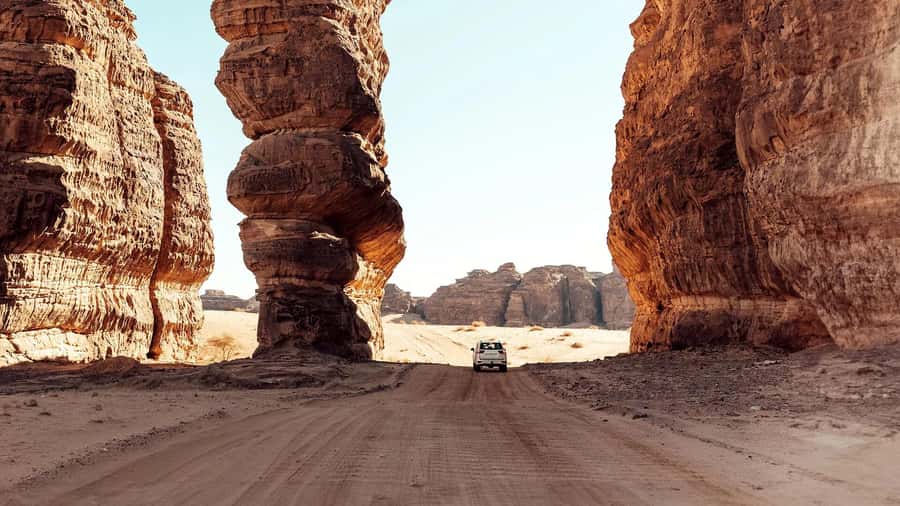
Hegra’s appeal is not limited to its famous Nabataean tombs. This two-hour open-top 4×4 safari takes you into Hegra National Park, where rock formations, native plants, wildlife, and traces of human life share the same dry terrain. It is a different side of AlUla, with more time spent watching the land than admiring carved facades.
I like the small group, limited to seven people, and the chance to see animals in their natural habitat. I also like the focus on conservation, especially the effort to restore wildlife and plant life in the reserve. The main drawback is value: at $99 per person, the tour can feel expensive if your ride lasts closer to 75 minutes or wildlife is scarce.
Key points to know before you go
- Hegra National Park is separate from the archaeological site: You will not see the Nabataean tombs on this tour.
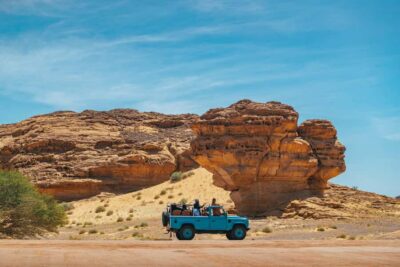
- The open-top 4×4 is the star of the outing: It gives you broad views of the rock formations and easier wildlife spotting.
- Small groups make a difference: A maximum of seven participants keeps the ride more personal.
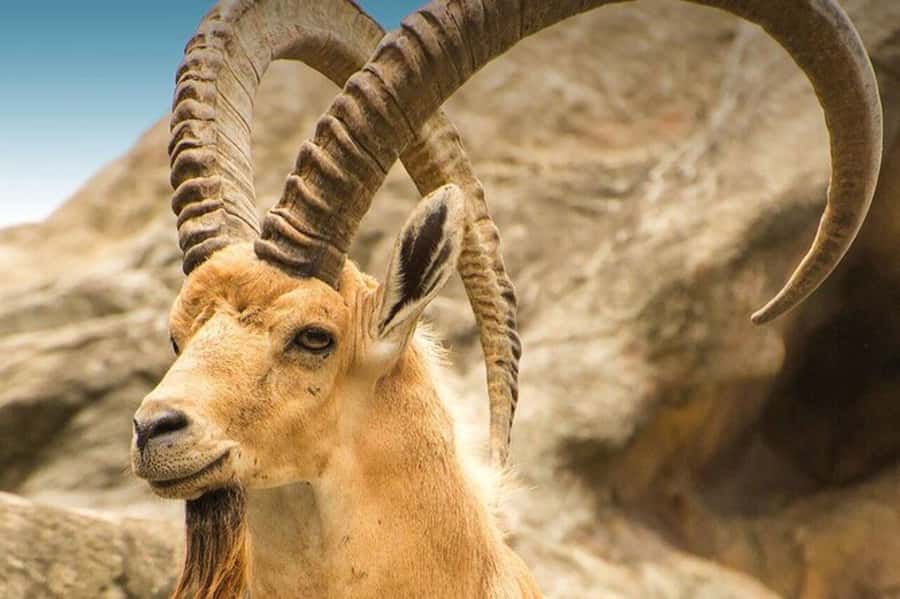
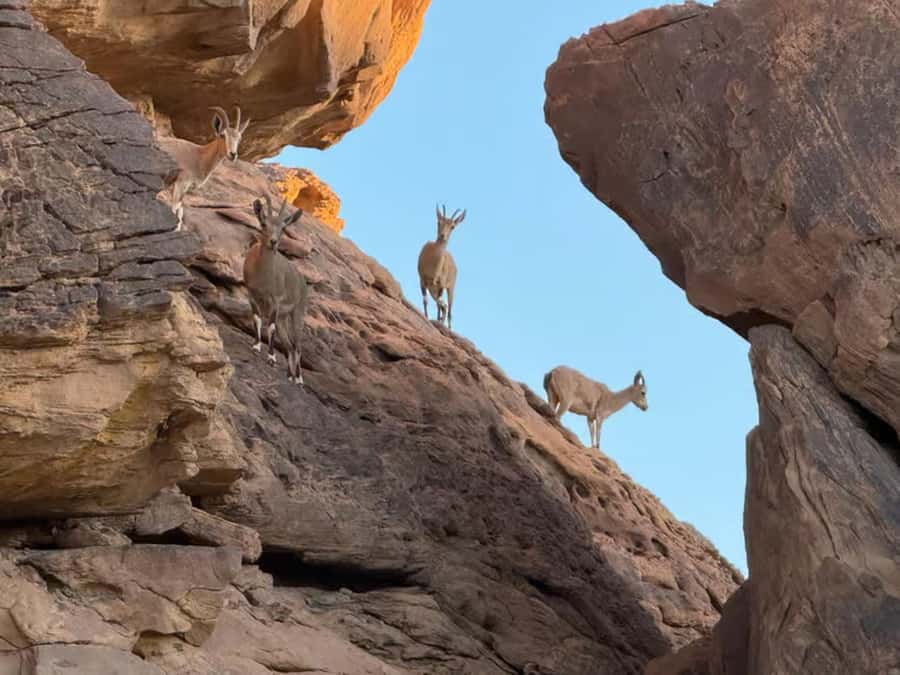
- Wildlife sightings are possible, not guaranteed: Deer and other animals have been seen, but nature does not follow a schedule.
- Rock art adds a human layer: You will look beyond animals and scenery to evidence of people who lived in the area long ago.
- Early light may be worthwhile: One outing at dawn produced especially good animal sightings and soft light for photographs.
Hegra beyond the tombs
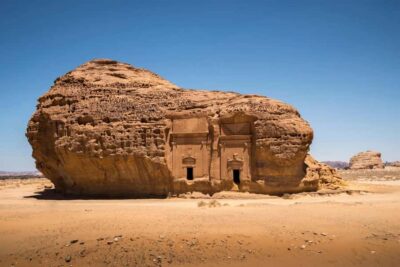
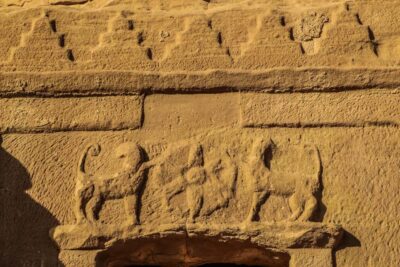
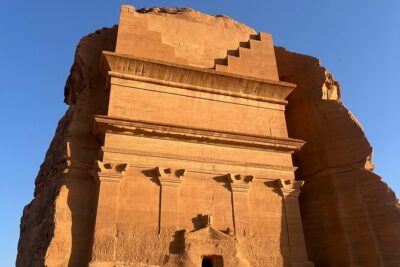
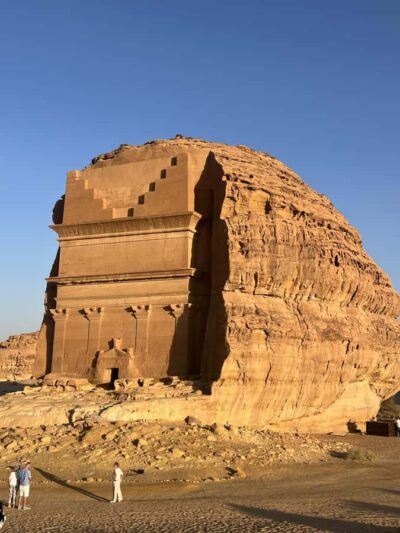
Many people arrive in AlUla with Hegra’s carved Nabataean tombs in mind. Those tombs are important: Hegra Archaeological Site was the first place in Saudi Arabia added to UNESCO’s World Heritage list. But this tour does not take you there.
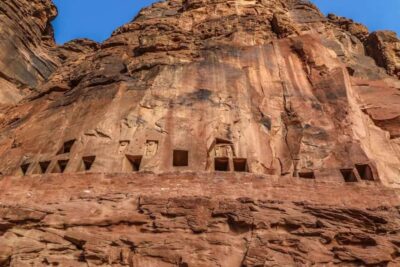
Instead, you visit Hegra National Park, a protected natural area with its own identity. The focus is on open ground, sandstone formations, plant life, wildlife rehabilitation, and rock art. You are seeing the setting in which people and animals have lived for thousands of years, rather than visiting the best-known monuments themselves.
That distinction matters when you book. If you want a classic introduction to Hegra’s Nabataean architecture, this is the wrong product. If you have already seen the tombs, or want to understand the wider area, this safari fills a useful gap.
The scenery is not just a backdrop. The stone formations shape animal habitats, the plants reveal how life survives in a dry climate, and the rock art connects the present reserve with earlier human activity. The tour works best when you treat it as a nature outing with cultural clues, not as a replacement for the archaeological visit.
Other AlUla days people book alongside this one:
- Visiting The Incredible Heritage Site Hegra in AlUla
★ 4.6 · 93 reviews - Hegra Al Ula: Sunrise Hot Air Balloon Flight
★ 4.6 · 43 reviews - Al Ula: Dadan and Jabal Ikmah Tombs Guided Tour
★ 4.2 · 26 reviews
Climbing aboard the open-top 4×4
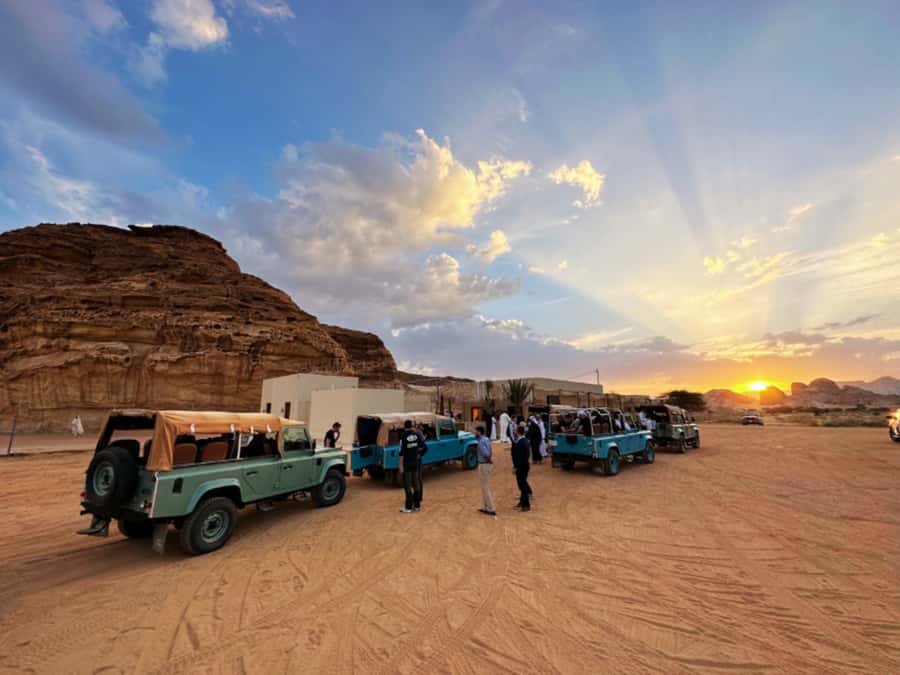
You begin at the designated visitor reception point and should arrive at least 15 minutes before your booking time. Free parking is available at the Hegra Visitor Centre, but hotel pickup and drop-off are not included, so you need to arrange your own way to the meeting point.
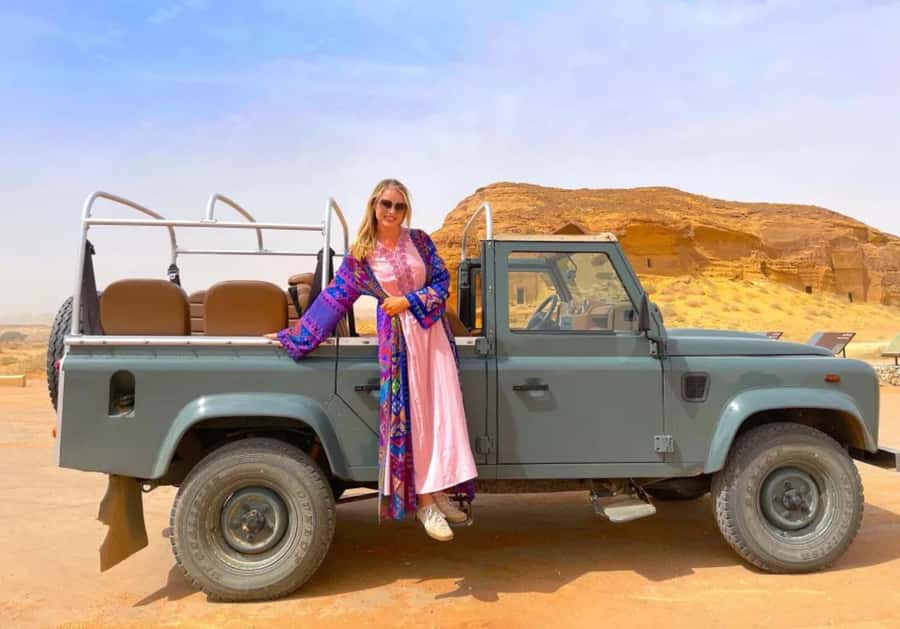
The vehicle is an open-top 4×4 designed for viewing rather than comfort in the usual sightseeing-bus sense. You have a clear view of the sky, rock formations, and surrounding terrain. That open design also means the sun is part of the experience, so a hat, sunscreen, comfortable clothing, and water are essential.
A shared guide leads the group in English or Arabic. With only seven participants, you have a better chance of hearing explanations and asking questions than you would on a large coach. The guide may also help you identify animals, as one especially good outing included help with photographs and recognizing the species in view.
Do not expect a private safari. The group is small, but the transport and guide are shared. Seating arrangements, the exact route, and the amount of time spent at each stop are not specified, so your day may depend on the guide, conditions, and animal activity.
The two-hour route through Hegra National Park
The published visit lasts two hours, and the route is built around several connected themes rather than a long list of formal stops.
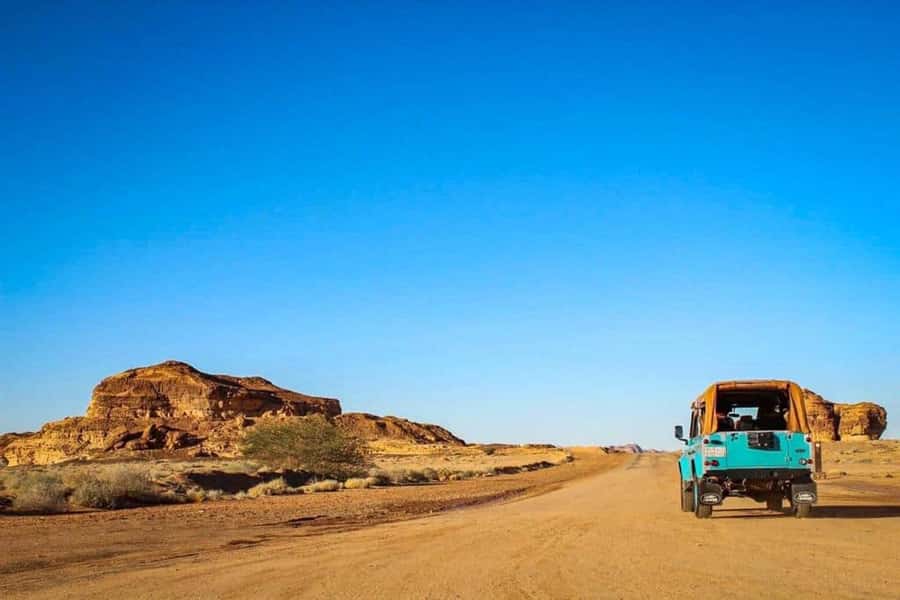
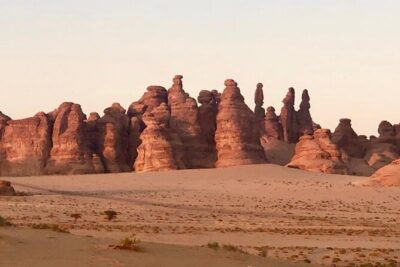
First comes the terrain itself. Hegra’s rock formations give the reserve its visual drama, with stone rising from broad stretches of desert. The 4×4 lets you cover more ground than you could on foot and gives you changing angles on the formations.
You may stop to look at unusual rock shapes, take photographs, and hear how the terrain relates to the natural life of the reserve. The scenery is especially important here because the tour does not include tombs or monumental buildings. If you expect constant landmark stops, the ride may seem spare. If you enjoy open space and geological forms, the slower pace makes more sense.
The route also includes wildlife viewing. Deer are among the animals seen in the reserve, and one early morning group managed to see all the deer in its route. That is an encouraging sign, but it is not a promise. Animals may be spread out, hidden, or inactive, and a short safari can produce very different results from one departure to the next.
The tour description also refers to the rehabilitation of wildlife and natural life in Hegra. That gives the outing a conservation angle. You are not simply driving around hoping for a photograph. You are being introduced to an area where natural habitats and native species are being supported.
Still, keep your expectations realistic. This is a two-hour visit, not a full-day wildlife expedition. One recorded outing lasted about 75 minutes, including an extra return to an animal. That makes it wise to ask at the start how the two hours will be used and what the planned route includes.
Watching wildlife without treating the reserve like a zoo
The best part of a protected reserve is also the least predictable. Seeing an animal in its natural habitat feels different from seeing one in a controlled enclosure, but you may spend time looking without a sighting.
The experience includes observation of wild animals, wildlife viewing, and transport within Hegra. The wording points to genuine field observation rather than a guaranteed animal parade. You should bring patience, keep your camera ready, and listen carefully when the guide points out movement or tracks.
The open vehicle helps because you can scan a wider area. A guide may also recognize animals before you do and explain what to look for. Photographing wildlife from a moving vehicle can be difficult, so do not judge the outing only by the number of perfect pictures you take.
Early morning may be the strongest choice if starting times allow it. The soft dawn light can improve photographs, and one outing at early dawn produced sightings of all the animals encountered on that route. The information does not promise a special dawn departure every day, so check the available start times before booking.
You should also follow the reserve rules closely. Do not smoke, litter, touch plants, or use flash photography. These rules are simple, but they protect the very setting you came to see. A flash can disturb animals, and damaged plants may take a long time to recover in such a dry climate.
A few more AlUla half-days to weigh up
- AlUla: Discover AlUla Like a Local Guided Tour
★ 5.0 · 25 reviews - From AlUla: Hegra Tour
★ 3.9 · 25 reviews - Alula Full Day Tour
★ 4.5 · 22 reviews - Half day Hegra Experience
★ 3.5 · 15 reviews
Rock art and the human story of Hegra
Wildlife is only half the story. The tour also introduces rock art and evidence of human life in the area. These markings can be easy to miss without guidance, so the quality of the explanation matters.
The rock art gives the reserve a human scale. It shows that Hegra was not merely a scenic desert setting or a place built by the Nabataeans. People used and moved through this region over long periods, leaving signs that connect the modern reserve to earlier communities.
The available information does not provide a detailed list of rock art locations or dates, so you should not expect a specialist archaeology lecture. The guide’s role is to place what you see in context while keeping the main focus on nature.
This is also where the tour could be stronger. One outing was praised for the guide’s ability to explain the reserve and help identify animals, but another participant wanted more history, photographs of old places, and information about writing. If cultural interpretation is your main reason for visiting, ask questions and make clear that you would like more detail about the rock art.
Native plants and a fragile desert setting
The tour includes views of native plant species, which may sound modest compared with the rock formations. In practice, these details help you read the terrain.
In a dry region, plant life is easy to overlook because it does not arrive in thick fields or large forests. A guide can point out the species that survive here and explain how the reserve supports natural life. You gain a better understanding of Hegra by noticing the small signs of growth between the larger stone formations.
This part of the tour requires restraint. You are asked not to touch plants, and that rule should be taken seriously. The reserve’s ecological work depends on protecting what is already growing, not simply making the area look scenic for visitors.
The natural setting also explains why comfortable outdoor clothing matters. You will be outside in an exposed area, with sun and dry conditions likely to shape your comfort. Good shoes help with the vehicle stops and any uneven ground, although the tour is not suitable for people with mobility impairments or wheelchair users.
How much value do you get for $99?
At $99 per person, this is not a bargain-priced ride. The fee covers transport within Hegra, a shared professional English or Arabic guide, wildlife viewing, and access to the National Park experience. Parking at the visitor centre is free, and the small group is a real benefit.
The price makes more sense if you value three things: a limited group, a guide who can interpret the reserve, and the chance to see Hegra away from its famous monuments. It is also a useful choice for a return visit to AlUla, when you want something beyond the standard tomb circuit.
The value drops if you are mainly paying for dramatic scenery and expect a full two hours of constant activity. Wildlife sightings vary, the route is not described stop by stop, and the tour does not include food, hotel transfers, or the archaeological site.
Duration deserves special attention. The stated length is two hours, but a past outing was reported at about 75 minutes. That is a significant difference at this price. I would arrive early, confirm the meeting details, and ask how long the vehicle portion and viewing stops are expected to last.
The flexible booking terms help reduce the risk. You can cancel up to 24 hours before departure for a full refund, and the reserve-now, pay-later option lets you hold a place without paying immediately. Those terms do not fix a short tour, but they make planning easier.
Who should book this Hegra safari?
I would recommend it most strongly to nature lovers, photographers, repeat visitors to AlUla, and anyone curious about Saudi Arabia’s conservation work. You will get more from the tour if you enjoy watching rather than rushing, and if you are happy for wildlife sightings to be uncertain.
It also suits visitors who want a smaller group. Seven people is intimate enough for questions and a more personal guide interaction, while still keeping the cost below a private vehicle in many cases.
Families need to note the age rule. Children under six are not permitted, and the tour is not suitable for pregnant women, people with mobility impairments, or wheelchair users. Everyone should be comfortable with outdoor conditions and a vehicle-based ride over natural terrain.
I would not choose this as your only Hegra visit if the Nabataean tombs are your priority. Since archaeological access is specifically excluded, you need a separate plan for that part of AlUla.
Practical advice for a better outing
Bring water even if you expect a short ride. Add a hat, sunscreen, comfortable shoes, and a camera, then wear clothing suited to outdoor conditions.
Arrive 15 minutes early. This is especially sensible because the meeting point is visitor reception, while parking is at the Hegra Visitor Centre. Hotel transportation is not included, so allow time to reach the site independently.
If wildlife is your priority, ask about the earliest available departure. Dawn light has produced particularly good sightings, but animal activity changes from day to day.
Use your guide well. Ask about the reserve’s wildlife rehabilitation work, the native plants, and the rock art. If you only follow the vehicle route silently, you may get scenery and animals but miss much of the meaning behind them.
Finally, protect the place. No smoking, flash photography, littering, or touching plants is allowed. These are not fussy rules. They are basic ways to keep a fragile reserve healthy.
Should you book the Hegra nature tour?
Book it if you want the natural side of Hegra, a small group, and the possibility of seeing deer and other wildlife among striking rock formations. The combination of safari-style transport, rock art, native plants, and conservation work gives you a broader view of the region than a tomb visit alone.
Skip it, or compare it carefully with other AlUla activities, if you want guaranteed monuments, a packed two-hour schedule, or the best possible value for a short ride. At $99, the tour needs a strong route and an engaged guide to feel worthwhile.
My advice is to book this as a companion to Hegra Archaeological Site, not as a substitute. Confirm the start time, aim for early light, and go with realistic wildlife expectations. If those conditions suit you, this is a thoughtful way to see Hegra as a living natural reserve rather than only an ancient stone complex.
FAQ
Does this tour visit Hegra’s Nabataean tombs?
No. The tour visits Hegra National Park and does not include access to or viewing of the archaeological site or tombs.
How long does the Hegra nature tour last?
The stated duration is two hours. One recorded outing lasted about 75 minutes, so you may wish to confirm the expected timing when you arrive.
What kind of vehicle is used?
The tour uses an open-top 4×4 for transport and wildlife viewing within Hegra.
What languages are available?
The shared professional guide speaks English or Arabic.
How many people are in the group?
The activity is a small-group tour limited to seven participants.
Is hotel pickup included?
No. Hotel pickup and drop-off are not included. Free parking is available at the Hegra Visitor Centre.
What should I bring?
Bring comfortable shoes, a hat, sunscreen, water, and a camera. Smoking, flash photography, littering, and touching plants are not allowed.
Just added around AlUla
- Coffee and Tea Party in Aljadidah★ 3.5 · 3 reviews
- Al-Ula: Guided Horse Riding★ 5.0 · 3 reviews
- AlUla: Sharaan Nature Reserve★ 5.0 · 4 reviews
- Al-Ula: Dadan & Jabal Ikmah Tour with Optional Pickup★ 3.8 · 4 reviews
- Journey Through Time Hike★ 4.0 · 5 reviews
- AlUla Old Town Experience★ 5.0 · 6 reviews
- Oasis Adventure in Alula★ 4.2 · 6 reviews
- Elephant Rock Tour in AlUla★ 3.5 · 7 reviews
AlUla Tours, compared.
Visiting The Incredible Heritage Site Hegra in AlUla
Read our review →
Browse the lists this tour appears in