
Reviewed · RIYADH TOURS
Architectural Wonders of KAFD, An Iconic Destination
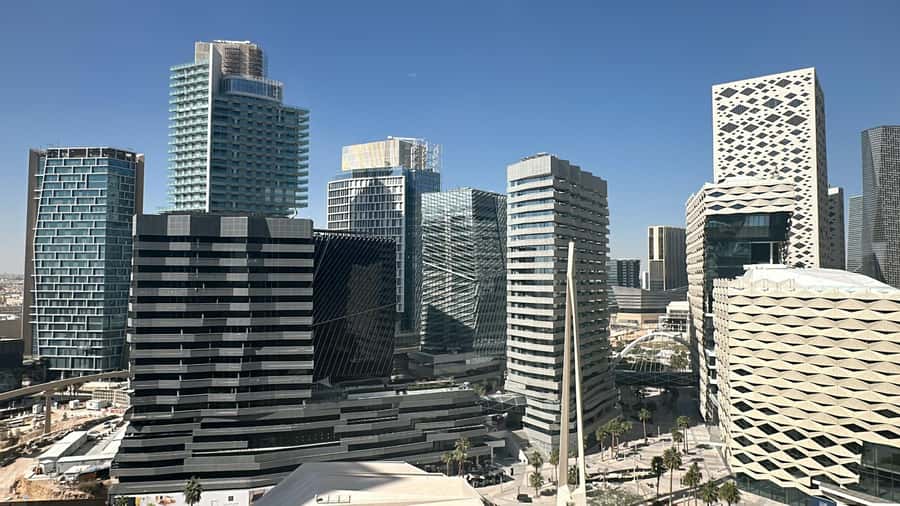
KAFD is Riyadh’s future in built form: an enormous district of sharp towers, shaded public spaces, smart infrastructure, and buildings shaped by the desert around them. The two-hour walk brings you close to PIF Tower, the city’s tallest skyscraper, and the KAFD Mosque, whose angular form recalls a desert rose.
I like the way this tour connects bold design with practical city planning. I also like that it includes several very different stops, from the Henning Larsen conference center to Zaha Hadid’s metro station. The main drawback is simple: this is an outdoor walking tour in Riyadh, so strong sun, heat, and comfortable footwear matter.
Key points to know before you book
- PIF Tower reaches 385 meters across 80 floors, giving the tour its biggest skyline landmark.
- The KAFD Mosque takes its shape from a desert rose, a local natural form interpreted by Omrania.
- The KAFD Conference Centre was designed by Henning Larsen and is described as the largest conference center in Riyadh.
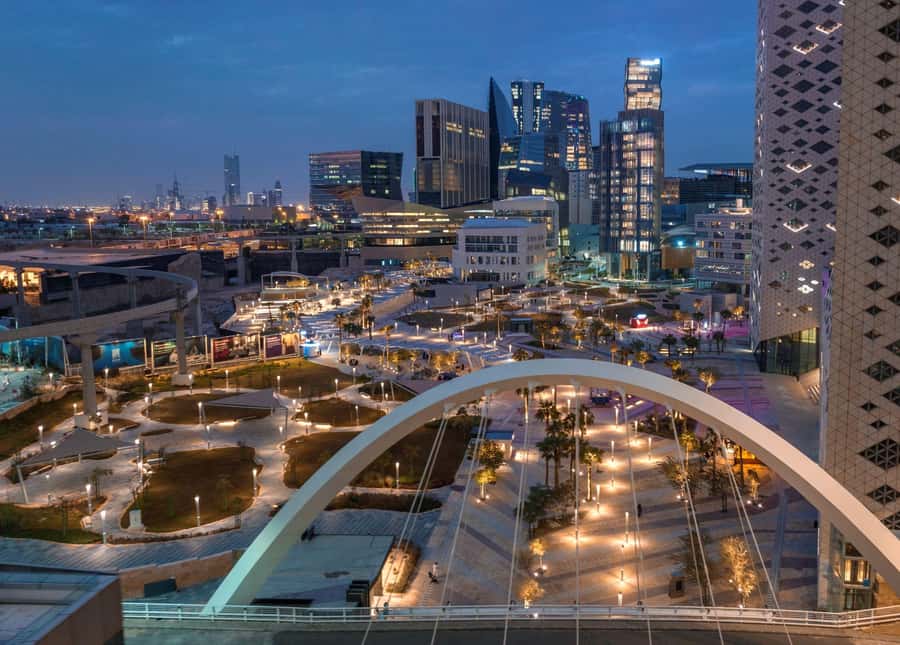
- ALWADI adds public life to the district, with open space for temporary events, pop-up activities, and distinctive retail.
- Zaha Hadid designed KAFD Metro, linking the district with important parts of Riyadh.
- The tour lasts two hours, starts and ends at KAFD Conference Center, and includes water and refreshments.
Why KAFD is worth seeing in Riyadh
Riyadh has long been a city of wide roads, low-rise neighborhoods, and rapid growth. KAFD presents a different idea: a dense center where offices, public areas, transport, retail, and landmark architecture are planned together.
The King Abdullah Financial District covers 1.6 million square meters and contains 95 towers. More than 25 international architecture firms worked on the district, so you are not looking at one repeated building style. You are seeing a planned collection of different responses to the same problem: how do you create a modern business district that works in Riyadh’s climate and reflects Saudi Arabia?
That question gives the tour more substance than a simple skyline walk. You are not only looking up at tall buildings. You are learning how the district uses shade, carefully arranged public spaces, transport connections, and design inspired by local forms.
KAFD is also presented as a major sustainability project. The development has received LEED Platinum certification, the highest level from the U.S. Green Building Council. That matters because the district is not being sold only as a collection of impressive towers. Its design also aims to reduce environmental impact and support a more efficient urban center.
You should still keep expectations realistic. A two-hour visit cannot explain every building in a district of this size. Its value comes from seeing the key landmarks in context and having a guide explain why they look and function as they do.
A few more Riyadh half-days to weigh up
- Riyadh: Edge Of The World, camels &Stargazing with 4×4
★ 4.7 · 1,050 reviews - Edge of The World Riyadh with Camel Ride ,Bat Cave Visit & Dinner
★ 5.0 · 778 reviews - Riyadh: 4×4 Trip to the Edge of the World at Sunset
★ 4.9 · 719 reviews
Starting at the KAFD Conference Centre
The tour begins at KAFD Conference Center, which is also where you finish. That fixed meeting point makes the outing easier to plan than a tour that starts in one part of Riyadh and ends somewhere else.
The center is one of the main architectural stops, designed by Henning Larsen. It is described as the largest conference center in Riyadh, giving it a clear role in the district’s business identity. You can expect the guide to use the building as an introduction to KAFD’s wider plan, rather than treating it as an isolated structure.
This is one reason a guided visit is useful. From a distance, KAFD can look like a collection of dramatic shapes. With explanations, the buildings become part of a larger plan involving business, public activity, transport, and sustainability.
The walk is conducted in a group, with local and expert guides. Arabic, English, and Japanese are available. Ahmad is one guide associated with the experience, and his explanations have been specifically praised for making the architectural concepts easier to follow.
Because the tour is on foot, wear comfortable shoes and breathable clothing. Bring sunglasses, a sun hat, sunscreen, and water, even though refreshments are included. A camera is also worth packing, as KAFD gives you plenty of strong angles and large-scale forms to photograph.
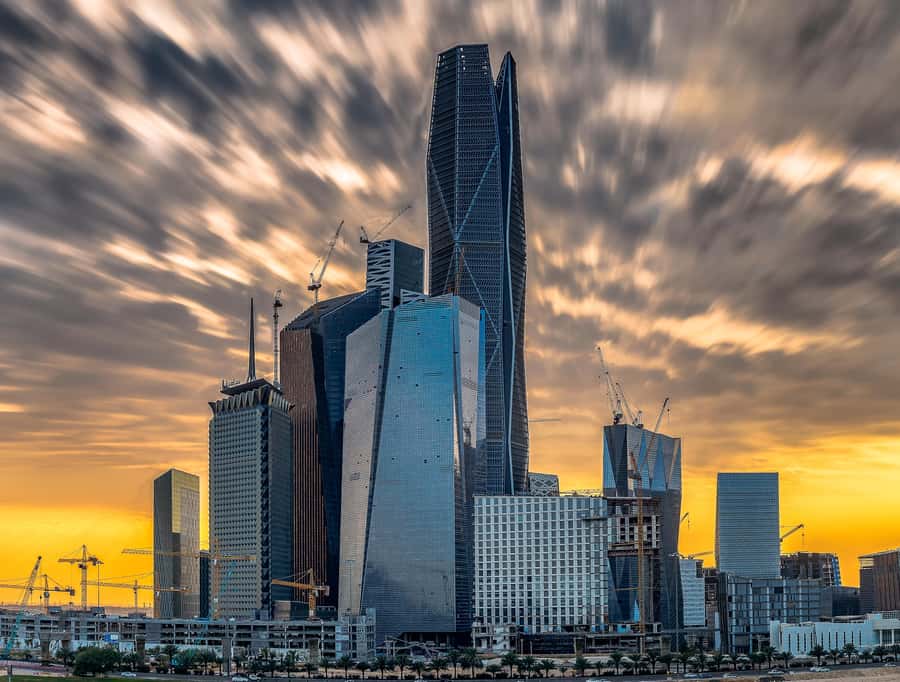
PIF Tower, Riyadh’s 385-meter landmark
PIF Tower is the district’s biggest visual statement. At 385 meters and 80 floors, it is the tallest skyscraper in Riyadh. Even if you have only a passing interest in architecture, the scale of this building gives the tour a clear centerpiece.
A guide can help you understand what the tower means within KAFD. It is not simply a tall building added to the skyline. It represents the district’s role as a major financial and business center, and its height signals the ambition behind the whole project.
The practical value of seeing it with a guide is that you get more than a photograph. You can place the tower alongside the lower buildings, public areas, and transport facilities that make up the district. That comparison helps explain why KAFD feels like a complete urban project rather than a single skyscraper development.
You should not expect this tour to be a visit to the top of PIF Tower. The supplied details describe an architectural tour through KAFD, not an observation deck or interior tower experience. The appeal is the building’s design, scale, and place in the district.
For photographers, the tower works best as part of a wider composition. Look at how its height contrasts with the surrounding forms. Your guide may also point out details that are easy to miss when you are focused only on the upper floors.
The KAFD Mosque and its desert rose design
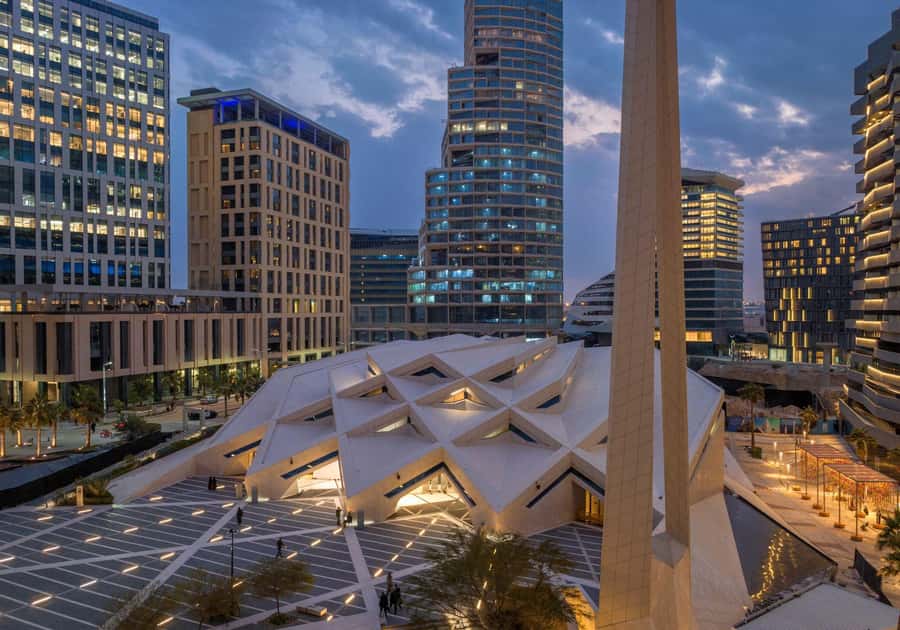
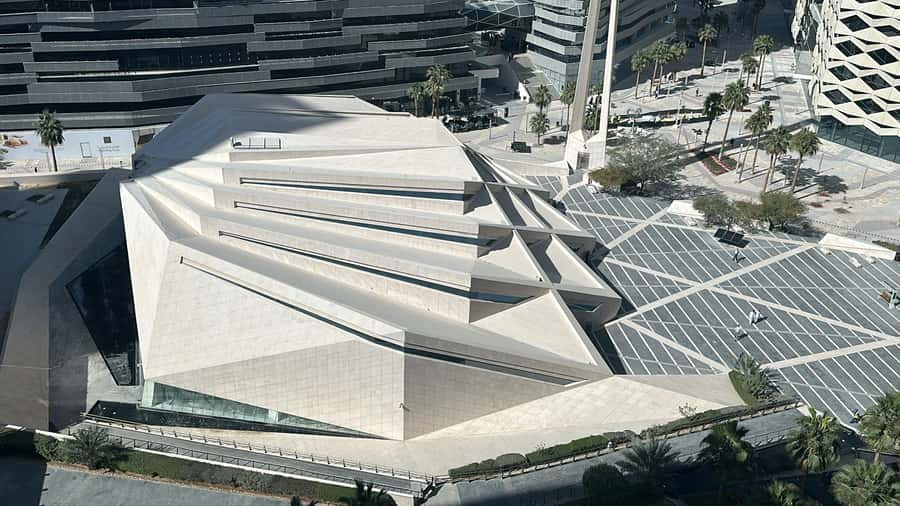
The KAFD Mosque is one of the most distinctive stops because its design draws from the desert rose. Omrania shaped the building around this local natural form, giving the mosque an appearance that feels tied to Saudi Arabia while remaining thoroughly modern.
That connection is important. Many new business districts can feel interchangeable, with glass towers and polished plazas that could belong to almost any major city. The mosque offers a different approach. Its form refers to the region, but not through old-fashioned decoration. Instead, the reference is built into the structure itself.
The visit gives you a chance to look at the mosque as architecture as well as a religious building. Your guide can explain the concept behind the shape and how it fits into KAFD’s wider design language.
You should dress respectfully for this stop and follow any instructions given on site. The information provided does not promise a full interior visit or a religious service, so consider this part of the tour primarily an architectural viewing stop.
This is also an area where the pace of the tour matters. The building deserves time for close views, but the overall visit covers several sites in only two hours. Expect a focused explanation rather than a long, detailed study of every architectural feature.
Same city, a completely different day out:
- Edge Of The World Hike(Dinner under stars,village,bats cave,camp)
★ 4.5 · 675 reviews - Edge of the World with 4×4 vehicles, sunset Dinner and stargazing
★ 4.5 · 567 reviews - Riyadh: Edge Of The World and Bats Cave Tour by 4×4
★ 4.7 · 394 reviews - Edge of The World Riyadh,Camel Ride ,Bat Cave Visit & Dinner
★ 4.6 · 269 reviews
Henning Larsen’s conference center
Returning to the KAFD Conference Centre gives the tour a useful contrast with PIF Tower and the mosque. The tower is about height, while the mosque centers on a symbolic local form. The conference center is about gathering people and supporting the district’s business function.
Henning Larsen’s design is part of KAFD’s effort to create more than office space. Conferences, meetings, events, and public activities help give the district a reason to operate beyond ordinary work hours.
The building also illustrates the mix of international design talent involved in KAFD. More than 25 architecture firms contributed to the project, and the conference center shows how a global architectural practice has been brought into a specifically Riyadh setting.
I like this stop because it helps keep the tour grounded. KAFD can seem like a futuristic display of towers, but the conference center reminds you that these buildings are meant to host real economic and civic activity.
Again, the experience does not promise access to every interior space. The attraction is the building’s design and role in the district. If you are hoping for a full conference-center tour, check the day’s arrangements before booking.
ALWADI, where KAFD opens to the public
ALWADI is the district’s open public area, planned for pop-up activities and distinctive retail. This stop adds a different note to the tour. Instead of focusing on a single landmark building, you get to consider how KAFD works at street level.
That matters because a financial district can easily become empty after office hours. Public spaces, temporary events, and retail help create reasons for people to visit even when they are not attending a business meeting.
The word open is important here. ALWADI is not presented as a traditional historic market or a large park. It is a modern public setting designed to support activations and changing uses. You might find the space especially interesting if you care about urban planning, retail design, or how new city districts try to create public life.
The tour’s timing may affect what you see. Pop-up activities are temporary by nature, and the supplied information does not guarantee a particular event or shop. Treat ALWADI as a chance to understand the district’s public-space plan, not as a promise of a specific program.
This is also a good point to pause, take photographs, and listen to the guide’s explanation of how commercial space and public activity fit together. The open areas give your eyes a break from the tall towers and make KAFD easier to understand as a place where people are meant to spend time.
Zaha Hadid’s KAFD Metro station
The KAFD Metro station is one of the tour’s most compelling stops for anyone interested in transport design. Zaha Hadid designed the station, which connects KAFD with key locations around Riyadh.
Its importance goes beyond appearance. A business district of this scale needs more than roads and parking. Metro access can help link offices, retail, public areas, and future city growth. The station shows that transport has been considered as part of the district’s identity, not added as an afterthought.
The station was newly opened when the experience details were prepared, so it offers a chance to see a fresh piece of Riyadh’s expanding public transport system. You will hear about its role in the city and see how its design fits the more angular, sculptural character of KAFD.
The Zaha Hadid connection will appeal to architecture fans, but the stop is useful even if you are not familiar with her work. It lets you compare a transport building with the towers and public areas seen earlier in the walk.
Do not assume the tour includes a metro ride. The provided details describe a visit to the KAFD Metro station and explain its connection to the city, but they do not list transport on the metro as part of the activity. The tour starts and ends at KAFD Conference Center, and transportation to other locations is not included.
What the two-hour format means
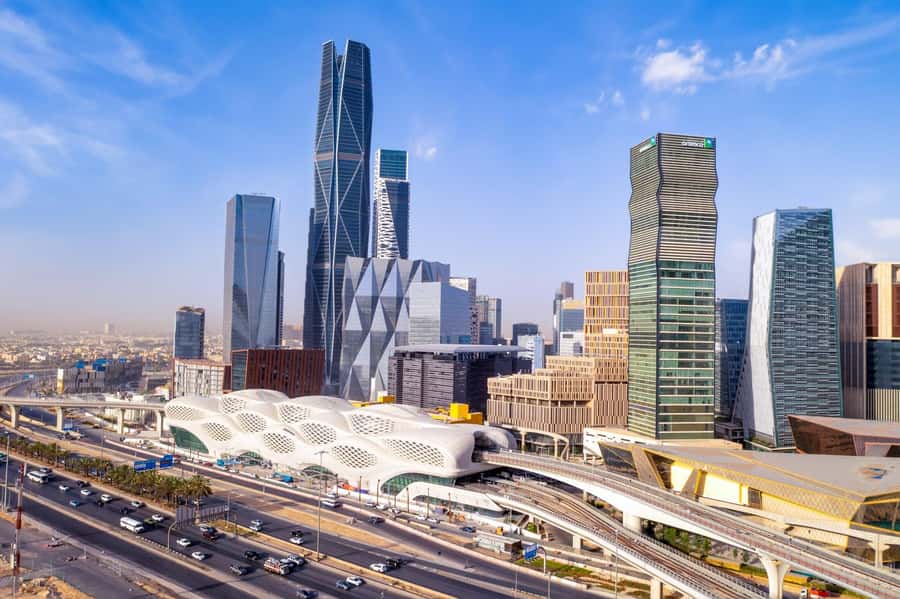
Two hours is a sensible length for a first look at KAFD. It is long enough to cover the main landmarks without turning the outing into an exhausting full-day architecture lecture.
The trade-off is depth. You will receive explanations about each area and the ideas behind the buildings, but you will not examine all 95 towers. That is not a weakness if you want a clear introduction. It would be a limitation if you are an architect, student, or urban planner looking for technical detail on every structure.
The walking format also keeps the focus on relationships between buildings. From inside a vehicle, you would miss how towers frame public spaces and how the mosque, conference center, retail areas, and metro station fit together.
Bring a camera, but keep your attention on the guide too. The most praised feature of the experience is the explanation of the district’s concepts. The architecture is impressive to look at, but the tour becomes more useful when you understand what each building is trying to do.
Water and refreshments are included. Still, bring your own water, especially in warm weather. Sunscreen, a hat, sunglasses, and light breathable clothing are sensible choices. Smoking, food, and drinks are not allowed in vehicles or indoors, and touching exhibits is prohibited.
Is $153 good value for this KAFD tour?
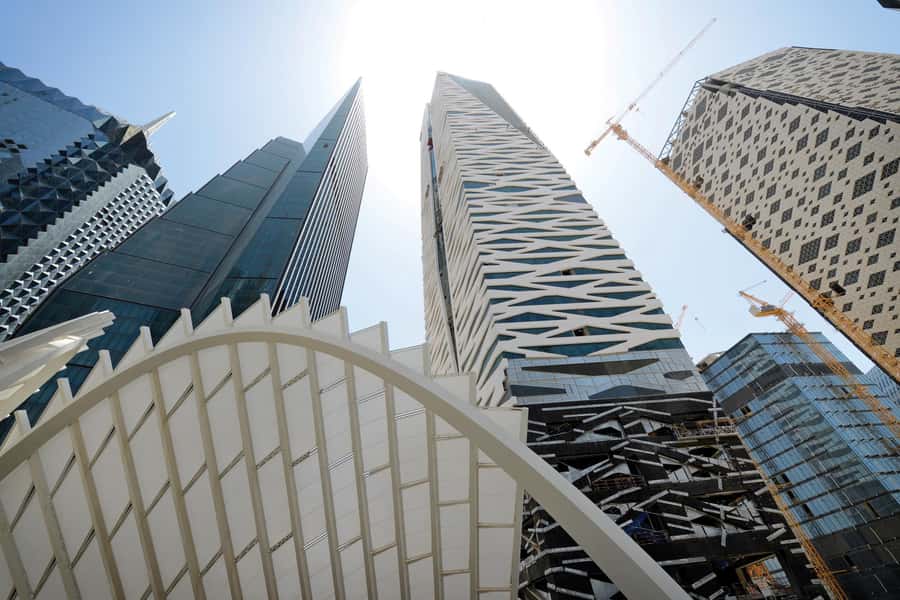
At $153 per person, this is not a cheap city walk. The price makes the most sense if you specifically want an expert-led architectural visit and prefer a structured explanation to simply walking around KAFD on your own.
You are paying for a two-hour guided group tour, local and expert guides, multilingual options, and refreshments. You also get access to a planned route covering the district’s most important design points, including landmarks by Omrania, Henning Larsen, and Zaha Hadid.
The value is strongest for architecture enthusiasts, urban-design students, business visitors, and first-time visitors who want context. If you only want skyline photographs, the cost may feel high. You could potentially see parts of the district without booking a specialist tour, though you would not receive the same focused explanation.
The three available ratings are all five out of five, and the specific praise focuses on the guide’s explanations, the pleasant pace, and the chance to see the mosque and newly opened metro station. I would give those points real weight. KAFD is easier to appreciate when someone explains the thinking behind its unusual forms.
Book only if the subject interests you. The tour is not designed as a general Riyadh sightseeing trip, and transport to other parts of the city is not included.
Who should book this experience?
I would recommend it most to:
- Architecture fans who want to see major contemporary buildings up close.
- Visitors curious about Saudi Arabia’s new business and lifestyle districts.
- Urban planners and design students looking at large-scale development.
- Photographers who enjoy bold, modern forms.
- Business visitors with a spare two-hour window in Riyadh.
- First-time KAFD visitors who want a clear introduction before exploring independently.
It may be less suitable if you dislike walking outdoors, want a historic or traditional experience, or expect long interior visits. The tour focuses on modern architecture, public planning, and sustainability.
The activity is not suitable for people over 95 years old. Bring a passport or ID card, with a copy accepted, along with a credit card and some cash if needed. Pets are not allowed, and smoking, alcohol, drugs, scooters, fire, and littering are prohibited.
You can reserve and pay later, and cancellation is available up to 24 hours before the tour for a full refund. Those terms help if your Riyadh plans are still changing.
Should you book Architectural Wonders of KAFD?
Book this tour if you want Riyadh’s newest architecture explained rather than simply photographed. The strongest parts are the clear focus, the range of design styles, and the chance to see PIF Tower, the desert rose-inspired mosque, ALWADI, the conference center, and Zaha Hadid’s metro station in one visit.
I would skip it if your main goal is old Riyadh, shopping, food, or a broad city tour. KAFD is a purpose-built modern district, and this experience stays firmly with that subject.
For the right reader, the $153 price buys useful context in a short time. Wear good shoes, prepare for the sun, and arrive ready to look closely at how Riyadh is building its next chapter.
FAQ
Where does the KAFD architecture tour start?
The tour starts at KAFD Conference Center.
Where does the activity finish?
The tour ends back at the meeting point, KAFD Conference Center.
How long does the guided tour last?
The guided tour lasts two hours.
What languages are available?
The experience is available in Arabic, English, and Japanese.
Is transportation to other locations included?
No. Transportation to other locations is not included.
What is included in the price?
The price includes a guided group tour with local and expert guides, plus water and refreshments.
Which major buildings are included?
The route features PIF Tower, the KAFD Mosque, KAFD Conference Centre, ALWADI, and KAFD Metro.
Can I cancel for a full refund?
Yes. You can cancel up to 24 hours in advance for a full refund.
What should I bring?
Bring comfortable shoes, sunglasses, a sun hat, a camera, sunscreen, water, comfortable breathable clothing, cash, a credit card, and a passport or ID card. A copy of the passport or ID card is accepted.
Just added around Riyadh
- Riyadh: Full Day City Tour Guided with Transport★ 4.8 · 3 reviews
- Explore Edge of The World in a Private Trip with Saudi Dinner★ 5.0 · 3 reviews
- Edge of the World Tour★ 5.0 · 3 reviews
- Riyadh: King Fahad National Library Guided Tour★ 4.5 · 3 reviews
- From Riyadh: Desert ATV Quad Bike Tour with Camel Ride★ 3.7 · 3 reviews
- Riyadh: Dining Experience at The Globe Restaurant★ 3.7 · 3 reviews
- Full-Day Ushayger Tour with Lunch from Riyadh★ 4.5 · 4 reviews
- Half Day in Riyadh, Almasmak, National Museum, Kingdom Tower★ 4.5 · 4 reviews
Riyadh Tours, compared.
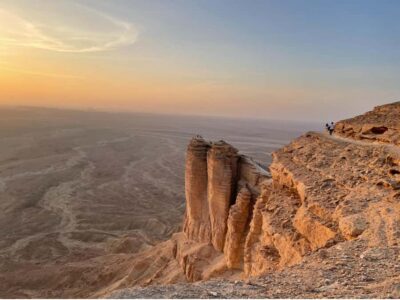
Edge Of The World, camels &Stargazing with 4×4
Read our review →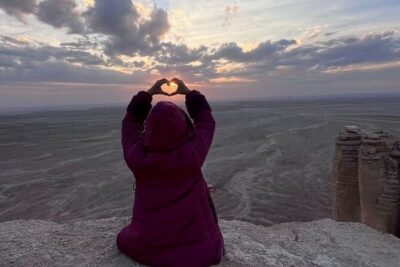
Edge of The World Riyadh with Camel Ride ,Bat Cave Visit & Dinner
Read our review →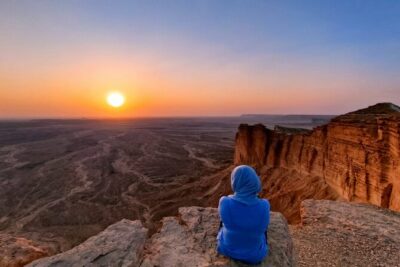
Edge Of The World Hike(Dinner under stars,village,bats cave,camp)
Read our review →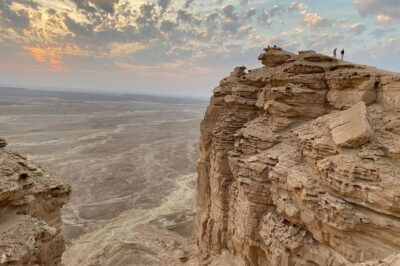
Edge of the World with 4×4 vehicles, sunset Dinner and stargazing
Read our review →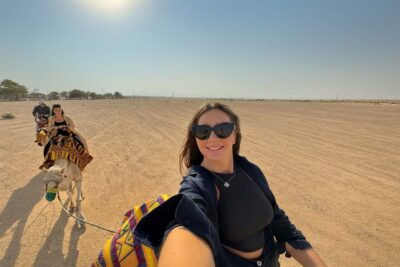
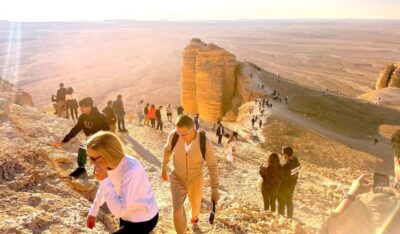
Riyadh Sunset Edge of the World & Deer Reserve 4WD Adventure
Read our review →
Red Sand Adventure 4×4 (Camel Ride ,Quad Biking, Heritage House)
Read our review →Browse the lists this tour appears in