
Reviewed · MAKKAH HOLY SITES & ZIYARAT TOURS
Makkah: Jabal Al-Nour, Cave Hira, and Mount Arafat Tour
The most meaningful part of this Makkah tour is the way it connects places you may have heard about in sermons, Quran lessons, and accounts of the Prophet Muhammad’s life with the actual geography around the city. You visit Jabal Al-Nour and Cave Hira, Jabal Thawr, and the three great Hajj sites of Arafat, Muzdalifah, and Mina rather than treating Makkah as only a place to pass through on the way to the Haram.
I like two things here. First, guide Mohammed Alharbi gives the sites a clear religious and historical setting, often using Quranic verses and hadith where relevant. Second, the private format lets him adjust the pace, explain in English or Arabic, and leave time for questions. The main consideration is that the advertised program covers a lot in four hours, and traffic, prayer times, museum tickets, and the exact access available at each mountain can affect how much time you spend at every stop.
Key points to know before booking
- Jabal Al-Nour and Cave Hira connect the tour with the first revelation received by Prophet Muhammad (PBUH).
- Jabal Thawr and Cave Thawr recall the Prophet’s refuge with Abu Bakr (RA) during the migration to Madinah.
- Arafat, Muzdalifah, and Mina help you understand the sequence and purpose of the Hajj journey.
- Mohammed Alharbi is the named guide, offering live commentary in English and Arabic.
- Private transportation, hotel pickup, water, and juice are included, a useful advantage in Makkah’s heat and traffic.
- Museum admission and meals are not included, so budget for tickets and do not expect a food stop.
Why this tour adds meaning to a stay in Makkah
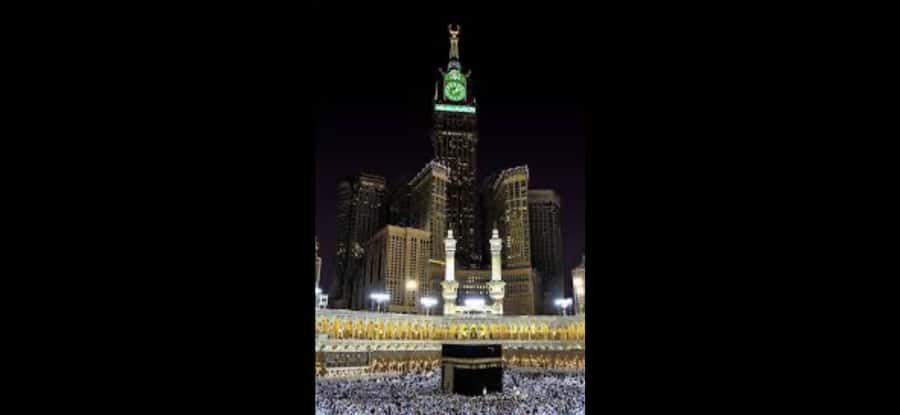
Makkah can be difficult to understand geographically. The Haram is the center of your visit, but the major events of early Islam and the Hajj take place across a much wider area. A guided drive helps you connect the mountains, valleys, and pilgrimage sites into one clear picture.
This is not simply a sightseeing loop. At each location, you are given the religious reason the place matters. Arafat is not just an open pilgrimage site, and Mina is not just a collection of tents. With the right explanation, you begin to see how the Hajj route works as a sequence of acts, places, and shared memory.
I would treat this as a religious and cultural orientation tour, not as a hiking trip. The program includes visits to the mountains and caves, but the supplied details do not promise a climb into either cave. That matters. Jabal Al-Nour and Jabal Thawr can involve difficult terrain, and the experience is not recommended for people with mobility impairments.
Other ziyarat visits and holy site tours:
- From Madinah: Half-Day Ziarah Tour
★ 4.9 · 59 reviews - Madinah Ziyarats (Private tour)
★ 3.5 · 26 reviews - Makkah Hotel to Jeddah Airport Private Transport
★ 5.0 · 25 reviews
Starting from Makkah: pickup and the traffic question
Hotel pickup and drop-off are included, but the exact meeting point may need to change because of traffic around Alharam. This is normal in central Makkah, where road access and congestion can vary sharply at different times of day.
I would confirm the pickup point carefully and arrive at least 15 minutes early. Keep your phone available, since the guide may need to direct you to a practical meeting place rather than collect you directly at a hotel entrance.
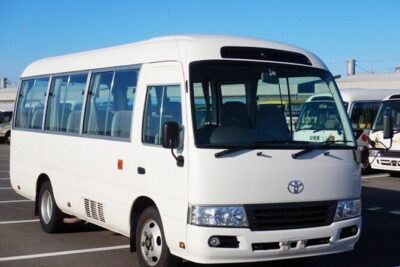
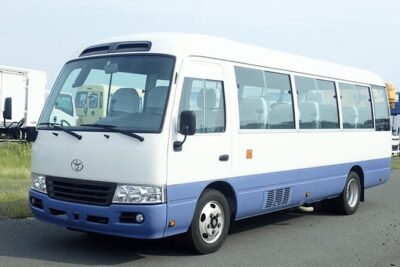
The vehicle takes you between the sites, saving energy and time. That is important in Makkah, especially during hot months. One August outing included cold refreshments, while water and juice are listed as standard inclusions. These are small details, but they make a difference when you are moving between exposed outdoor locations.
The group is private, so you are not sharing the day with a large bus party. This gives you more room to ask questions and lets the guide respond to your family’s pace. It also means the experience depends more heavily on the quality of your guide, and Mohammed Alharbi receives particularly strong praise for communication, patience, and clear explanations.
Jabal Al-Nour and Cave Hira: where the first revelation began
Jabal Al-Nour is one of the most important mountains associated with the life of Prophet Muhammad (PBUH). Cave Hira, located on the mountain, is linked with the first revelation. For many Muslims, this is the emotional center of the tour.
The value of seeing the mountain with a guide is that you are not left with a name and a photograph. Mohammed explains the event connected with the place and sets it within the wider story of Makkah and the beginning of the Prophet’s mission. His use of relevant Quranic verses and hadith can make the visit feel focused rather than rushed.
Do not assume that a four-hour sightseeing tour includes a full ascent. The supplied program says you visit Jabal Al-Nour and Cave Hira, but it does not specify a hike, climbing time, or access inside the cave. Ask before departure if standing at the site, viewing the mountain, visiting the nearby cultural facilities, or making a climb is intended for your booking.
Wear comfortable shoes, modest clothing, and sun protection. A hat and sunscreen are specifically recommended. Shoulders and knees should be covered, and a valid photo ID is required.
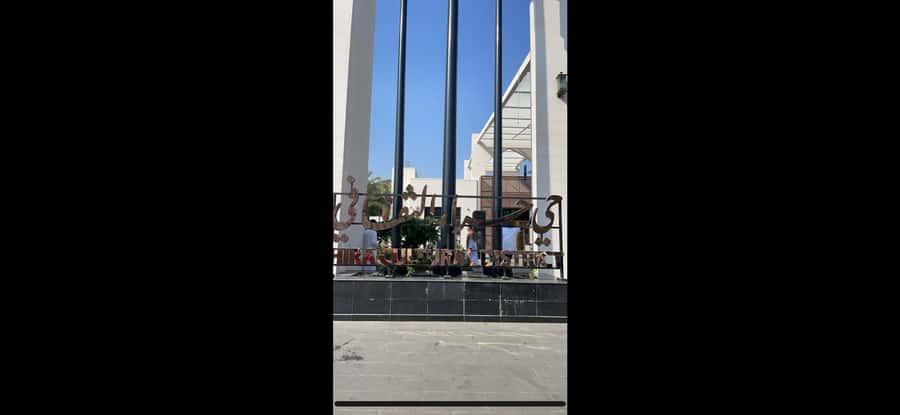
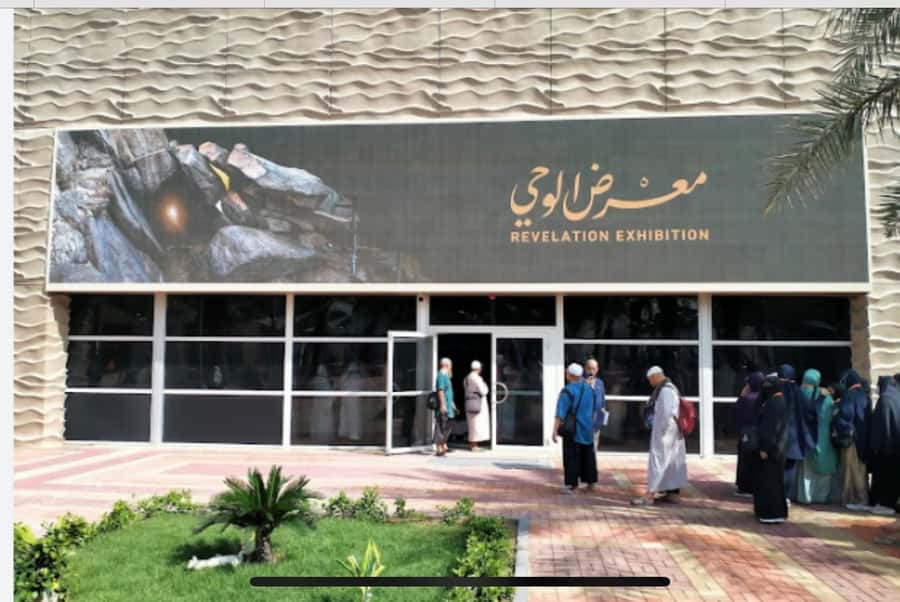
The Hira Cultural area is another useful part of this stop. One detailed account describes a visit to the Jabal Hira Visitors Center, with Saudi coffee, Sukari dates with tahini sauce, and traditional Arabic seating. Discounted tickets to Al-Quran and Wahi museums were also arranged on that occasion. These extras are not listed as guaranteed inclusions, so you should regard them as possible additions rather than part of the fixed price.
Jabal Thawr and Cave Thawr: a place tied to the migration
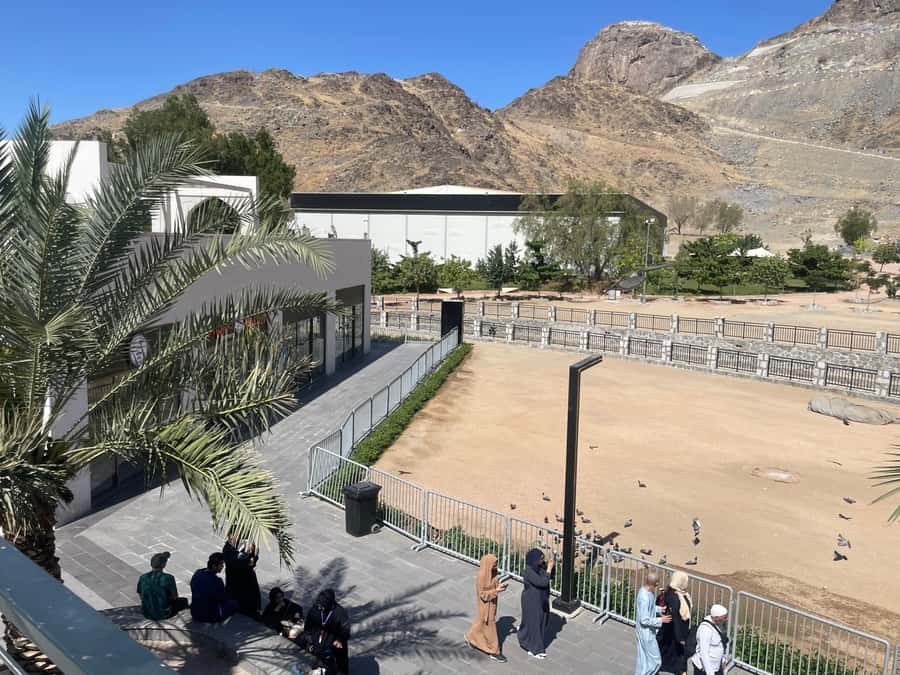
Jabal Thawr recalls the period when Prophet Muhammad (PBUH) and his companion Abu Bakr (RA) hid from their enemies during the migration to Madinah. The story gives this mountain a different tone from Jabal Al-Nour. Hira is linked to the beginning of revelation, while Thawr is linked to danger, refuge, and the journey to a new chapter.
Mohammed’s storytelling is especially useful here because the mountains can otherwise seem like isolated stops on a road itinerary. He relates the events to the people involved and, where suitable, uses religious sources to explain their importance.
Again, clarify what visit means. The tour information does not guarantee a climb to Cave Thawr or entry into the cave. You may be viewing the mountain or stopping at an accessible point. For anyone with limited mobility, this distinction is essential. The activity is specifically not suitable for people with mobility impairments, and you should not book it expecting an easy walking tour.
Same city, a completely different day out:
- Riyadh: Edge Of The World, camels &Stargazing with 4×4
★ 4.7 · 1,050 reviews - Dubai: Desert Safari Camel Riding, Sandboarding & BBQ Dinner
★ 4.8 · 846 reviews - Edge of The World Riyadh with Camel Ride ,Bat Cave Visit & Dinner
★ 5.0 · 778 reviews - Riyadh: 4×4 Trip to the Edge of the World at Sunset
★ 4.9 · 719 reviews
Arafat: understanding the central Hajj gathering
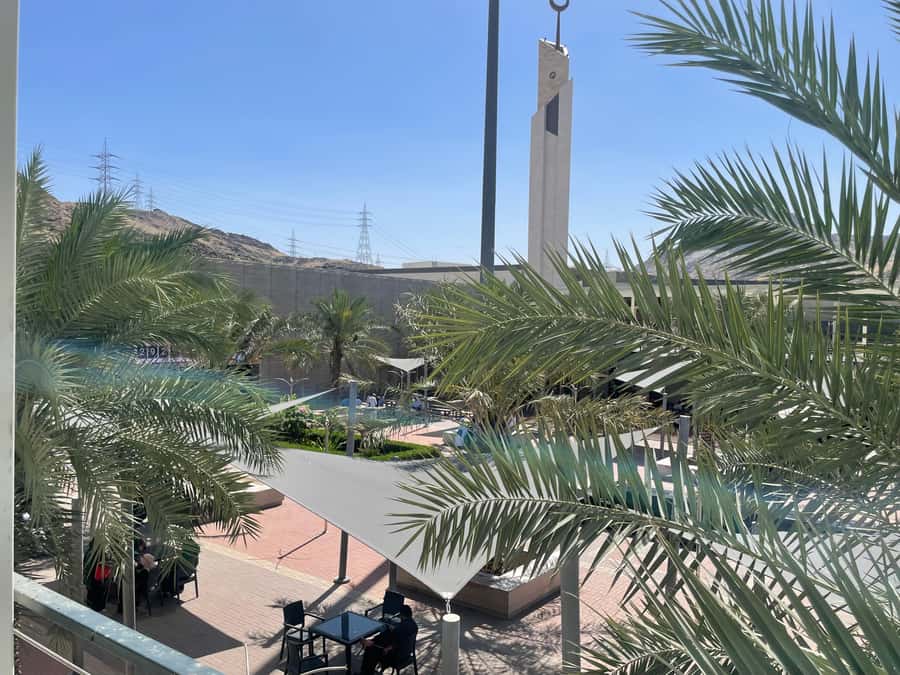
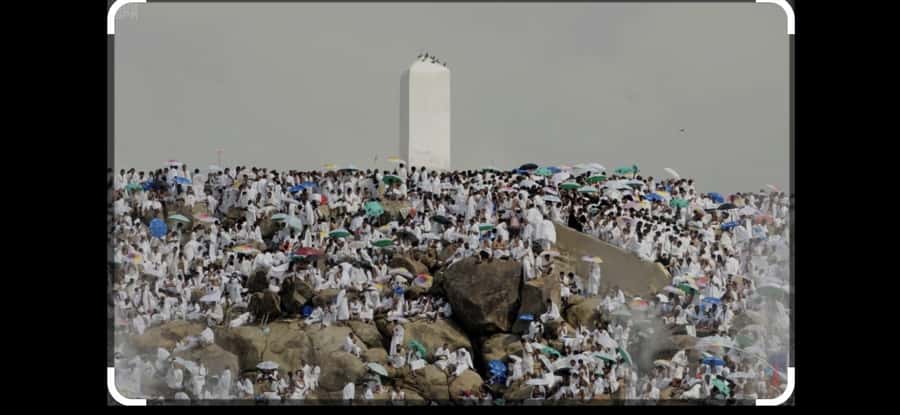
Arafat is the only stop with a stated one-hour guided visit in the basic itinerary. It is also the most significant Hajj site on the route, because pilgrims gather here for the essential standing at Arafat.
This is where the tour shifts from the life of the Prophet to the structure of the Hajj itself. A guide can explain why Arafat matters, how it fits into the pilgrimage, and what pilgrims do before and after their time here. If you have performed Hajj or are preparing for it, this explanation can help organize the ritual in your mind.
Give yourself time to take in the scale of the place. Arafat is not presented as a conventional attraction with a list of objects to inspect. Its importance comes from the act of worship connected with it. The setting may feel quiet or expansive outside the Hajj season, but the guide’s explanation supplies the context.
Prayer times may affect the schedule. That is worth remembering if you have a fixed appointment later in the day. The stated duration is four hours, but one account describes a tour lasting almost five hours, and another describes a six-hour outing. These longer durations may reflect additional stops or a more flexible private schedule, but they show why you should avoid placing an important commitment immediately afterward.
Muzdalifah and Mina: seeing the Hajj route as a sequence
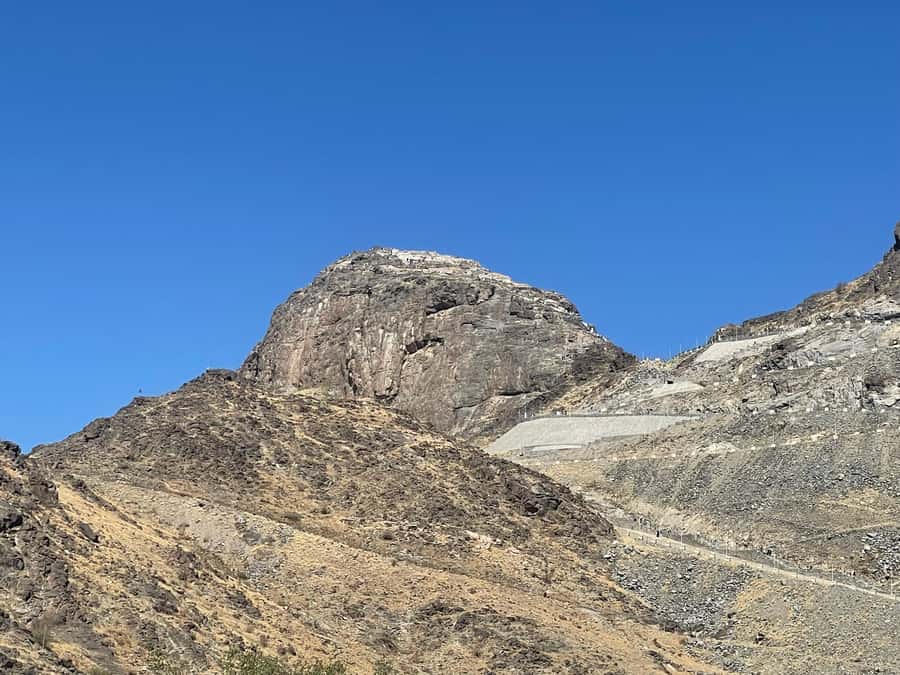
Muzdalifah is the next major point in the Hajj journey after Arafat. Pilgrims rest there before continuing to Mina. Seeing the two sites together helps you understand that Hajj is not one stationary ceremony at the Haram. It is a carefully ordered movement between places.
Mina is associated with the symbolic stoning of the devil, one of the best-known acts of Hajj. The guide’s role is to explain how this stop follows Arafat and Muzdalifah and why the order matters.
The tour gives you a geographical outline rather than a full pilgrimage simulation. You are not performing Hajj through this sightseeing visit, and the program does not list ritual services or religious instruction for carrying out Hajj. Instead, you gain a clearer sense of the route and the meaning attached to each stage.
The practical advantage is simple: you see all three sites in one private vehicle. That is far easier than trying to piece them together independently, especially if you are unfamiliar with Makkah’s roads.
The museums: adding objects and exhibits to the stories
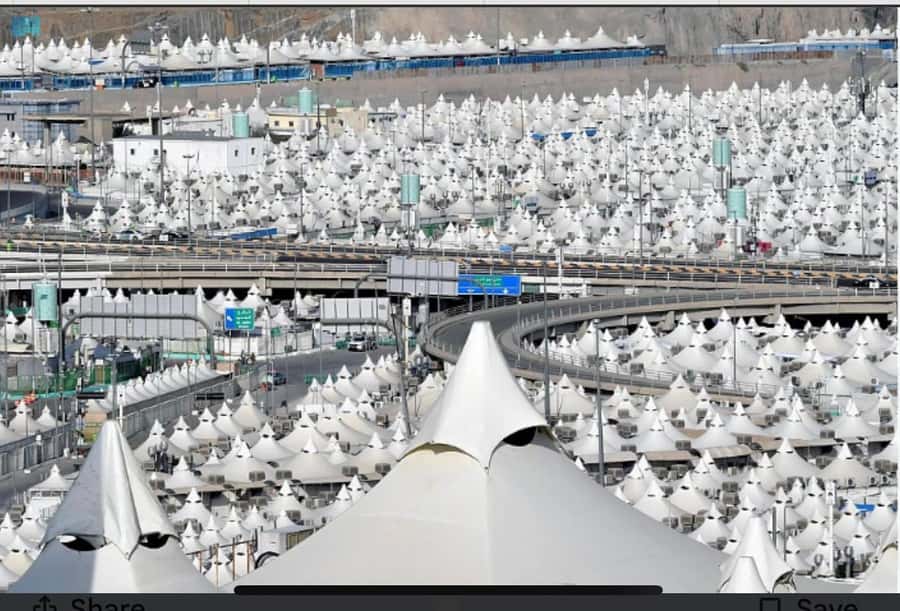
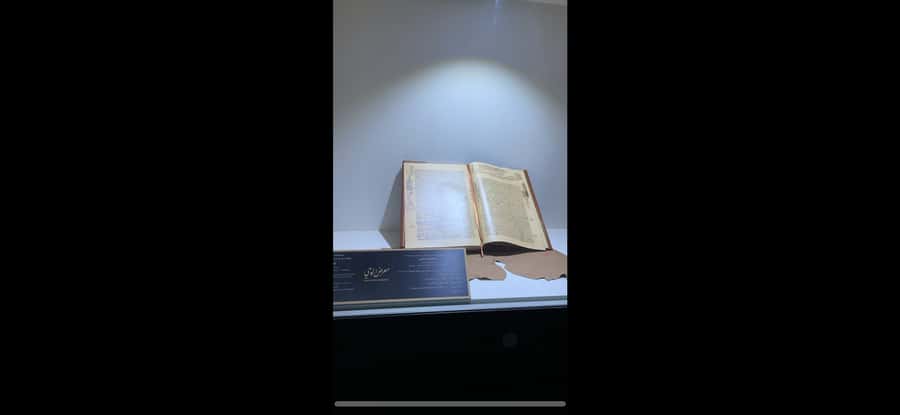
The Makkah Museum and Hira Cultural facilities provide an indoor counterpoint to the mountain and pilgrimage stops. The museums focus on Makkah’s Islamic heritage, artifacts, the first revelation, and the city’s cultural development.
I like having this museum component because outdoor sites can leave you with only broad impressions. Exhibits give you something more concrete to study. They can also help families and younger visitors stay engaged during a tour that otherwise centers on religious explanation and open-air stops.
Tickets are not included, so confirm which museums are planned and what admission costs before you go. The tour description names the Makkah Museum and Hira Cultural Museum, while the detailed program also refers to Al-Quran and Wahi museums. The exact combination may depend on opening hours, traffic, and your selected schedule.
The museum portion is also where you may appreciate the bilingual format most. Religious and cultural terms can be hard to translate quickly, so having explanations in English or Arabic gives you a better chance to ask about what you are seeing.
Mohammed Alharbi’s guiding style
The guide is named Mohammed Alharbi, and the strongest feature of the experience is his personal approach. He is described as patient, punctual, friendly, and attentive to the pace of the group. He also keeps in touch when meeting points are difficult to reach, which is useful around Alharam.
His English is described as very good, and Arabic is also available. Several detailed accounts emphasize his ability to tell stories clearly and connect the locations with Quranic verses and hadith. That is the difference between a driver who points at a mountain and a guide who explains why the mountain belongs in your Makkah experience.
He has also used a sound system to play background information about important figures connected with the sites. This could be helpful when road noise or vehicle movement makes a long spoken explanation difficult to follow.
The private setting means you can ask for clarification without holding up a large group. If you are tired, Mohammed can adapt the pace, according to the supplied information. Still, ask what your four-hour schedule includes, since some of the more extensive outings lasted longer.
Is $125 a fair price?
At $125 per person, the tour is not the cheapest way to see Makkah from a vehicle. Its value depends on what you want from the day.
You are paying for a private group, hotel pickup and drop-off, transportation, a live English or Arabic guide, historical storytelling, sightseeing, and water and juice. If you tried to arrange separate transport and find explanations for Arafat, Muzdalifah, Mina, Jabal Al-Nour, Jabal Thawr, and the museums, the convenience could justify the price.
The price is less attractive if you mainly want quick photo stops or expect all museum tickets and food to be covered. Meals are excluded, and admission tickets are separate. The caves may also require clarification, since a mountain visit does not automatically mean a strenuous climb or entry inside the cave.
I see the best value for families, first-time visitors, English-speaking pilgrims, and anyone who wants the religious meaning explained rather than simply transported between sites. Solo visitors should compare the per-person cost with other private options, but the ability to shape the pace may still be worthwhile.
How to prepare for a comfortable four hours
Wear comfortable shoes even if your booking does not include a climb. You may be walking on uneven ground or standing outdoors at several stops.
Bring a hat, sunscreen, and a camera. Dress modestly, with shoulders and knees covered. Smoking is not allowed during the activity.
Carry a valid photo ID and arrive 15 minutes before the scheduled start. Do not plan a meal during the tour, since food is not included. Water and juice are provided, but you should still prepare for outdoor heat.
The tour is wheelchair accessible according to the activity information, yet it is also marked as unsuitable for people with mobility impairments. That sounds contradictory, so ask the provider exactly what vehicle access and walking assistance are available before booking. The mountain and cave sites may be the limiting factor even if the vehicle itself can accommodate a wheelchair.
Free cancellation is available up to 24 hours before the start, and you can reserve now and pay later. Prayer times may change the schedule, so keep the rest of your day flexible.
Who should book this Makkah tour?
I would choose this tour if you want a guided introduction to Makkah’s sacred geography and early Islamic sites. It is especially useful when you have only a short stay and want Arafat, Muzdalifah, Mina, the mountains, and museum options covered in one outing.
It suits people who value explanation, patience, and conversation. Mohammed’s use of English and Arabic, religious references, and local knowledge makes the experience more useful than a simple drive-by tour.
I would think twice if you have serious walking limitations, need a completely fixed four-hour schedule, or want a guaranteed climb into Cave Hira or Cave Thawr. Those details are not promised clearly enough to assume them.
Should you book it?
Book this tour if your goal is to understand Makkah, not merely photograph it. The combination of Jabal Al-Nour, Jabal Thawr, Arafat, Muzdalifah, Mina, and the museums gives you a broad picture of the city’s religious importance, while the private format keeps the day personal.
Before paying, confirm the pickup point, museum admissions, the exact cave access, and the expected finish time. If those details suit your needs, $125 is a reasonable price for private transport and a guide who can connect the places with the stories that give them meaning.
FAQ
How long does the tour last?
The stated duration is four hours. Some private outings may run longer when extra stops are added, so keep your schedule flexible.
What language is the guide available in?
The live guide is available in English and Arabic.
Who is the tour guide?
The named experience provider and guide is Mohammed Alharbi.
Is hotel pickup included?
Yes. Hotel pickup and drop-off are included, although the exact meeting point may change because of traffic around Alharam.
Which Hajj sites does the tour visit?
The tour covers Arafat, Muzdalifah, and Mina.
Does the tour visit Cave Hira?
The program includes Jabal Al-Nour and Cave Hira. Confirm whether your booking includes viewing the site, visiting nearby facilities, or climbing to the cave, since the available details do not specify the access arrangements.
Does the tour visit Cave Thawr?
Cave Thawr is included in the tour description. Ask the provider what type of visit is planned, since a climb or entry into the cave is not specifically guaranteed.
Are museum tickets included?
No. Tickets are not included in the price.
Are meals provided?
No. Meals are excluded. Water and juice refreshments are included.
Is the tour suitable for wheelchair users?
The activity is marked wheelchair accessible, but it is also listed as unsuitable for people with mobility impairments. Confirm the walking requirements and access at the mountain and cave stops before booking.
Just added around Saudi Arabia
- Coffee and Tea Party in Aljadidah★ 3.5 · 3 reviews
- Al-Ula: Guided Horse Riding★ 5.0 · 3 reviews
- Riyadh: Full Day City Tour Guided with Transport★ 4.8 · 3 reviews
- Explore Edge of The World in a Private Trip with Saudi Dinner★ 5.0 · 3 reviews
- Edge of the World Tour★ 5.0 · 3 reviews
- Jeddah Airport to Medina Hotel Private Arrival Transfer★ 5.0 · 3 reviews
- Jeddah: Historic District Tour by a Local licensed Guide★ 5.0 · 3 reviews
- Riyadh: King Fahad National Library Guided Tour★ 4.5 · 3 reviews
Makkah Holy Sites & Ziyarat Tours, compared.
Jeddah Airport to Makkah (any Mecca hotel) Private Arrival Transfer
Read our review →
Makkah’s (Mecca) Ziyarat : Holy, Historical Places (Private Tour)
Read our review →
Browse the lists this tour appears in